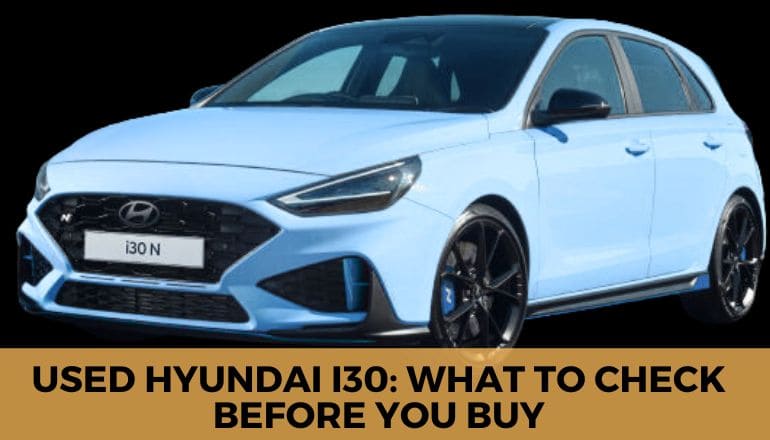
If you’re thinking about buying a used Hyundai i30, you’re not alone. The i30 is one of Australia’s most popular small hatchbacks, offering great reliability, low running costs, and a comfortable ride. Whether you’re a first-time buyer or just looking for a good city runabout, the Hyundai i30 is often a top pick.
But before you shake hands and drive away, it’s important to do your homework. Buying a used car is a big investment, and checking a few key things can save you from unwanted surprises down the road. In this used car buying guide, we’ll walk you through everything you need to look for when buying a used Hyundai i30, including common issues, used car inspection tips, and smart buyer advice.
Why Buy A Used Hyundai i30?
The Hyundai i30 has earned a solid reputation over the years for its quality and value. Whether you’re looking at the older FD (2007–2012), the second-gen GD (2012–2017), or the newer PD model (2017 onwards), most i30s offer:
Affordable prices
Good fuel economy
Practical interior and boot space
A choice between manual or Hyundai i30 automatic transmissions
5-star ANCAP safety ratings on later models
If you buy a used Hyundai i30, you’re getting a lot of good car features for the money. But no matter how reliable the brand, used cars always come with a few risks—especially if they haven’t been well looked after.
Used Hyundai i30: What to Check Before You Buy
1. Service History and Logbook
Start with the basics. Ask the seller to provide a complete service history and check the logbook for regular servicing. Hyundai recommends servicing the i30 every 10,000–15,000 km or 12 months, whichever comes first.
Look for services done at the right time intervals and by qualified workshops. Missing services could mean hidden wear and tear, especially on engines and transmissions.
2. Mechanical Inspection
Always get a pre purchase vehicle inspection by a qualified auto mechanic or car care service provider. They’ll check:
Engine condition and oil levels
Transmission (especially for automatics)
Suspension and steering components
Brake pads and rotors
Cooling system and radiator
Exhaust for rust or damage
If you’re not a mechanic yourself, hire one. Don’t skip this step. A proper mechanical inspection can reveal costly problems before you buy.
3. Check for Common Issues by Model Year
FD (2007–2012)
Clutch wear in manuals
Paint fade on older models
Stiff or worn gear selectors
GD (2012–2017)
Cracking dashboards (in some early builds)
Automatic transmission hesitation
Oil leaks around the engine
PD (2017 onwards)
Software glitches in infotainment
Premature battery drain
Wear on driver’s seat bolster
Ask about past repairs and test each feature during the drive. If something seems off, don’t assume it’s “normal for an old car.”
Look for dents, scratches, or mismatched paint. Gaps between panels can mean past accident repairs. Run a magnet over the panels to detect filler. Also check under the car for signs of rust, especially if the vehicle has been driven near the coast.
2. Tyres and Wheels
All four tyres should have even wear and at least 3mm tread. Uneven wear could signal poor alignment or suspension issues. Check for curb damage on the wheels, which could affect balance or lead to future leaks.
3. Lights and Electronics
Turn on all headlights, indicators, brake lights, and fog lamps. Inside, test the radio, touchscreen (if fitted), air conditioning, window switches, and USB ports. Faulty electronics can be expensive to repair.
4. Interior Wear and Tear
While a used car won’t be perfect, excessive seat wear, sagging headliners, or stained carpets could mean the car was neglected. Sit in the driver’s seat and check all mirrors, seat adjustments, and the seatbelt function.
5. Test Drive Checklist for a Used i30
1. Cold Start
Start the engine cold (first thing in the morning is best). Listen for rattles, rough idle, or warning lights that stay on. Blue or white smoke from the exhaust can point to engine problems.
2. Drive in Different Conditions
Drive at low and high speeds, through corners, and over bumps. Make sure the Hyundai i30 automatic shifts smoothly or, if it’s manual, the clutch bites well without slipping. Pay attention to:
Steering feel (shouldn’t be loose or noisy)
Brake response (should stop smoothly and in a straight line)
Any knocking or creaking from the suspension.
If you hear anything odd, ask a mechanic to double-check before you buy.
Buying from a Private Seller vs Dealer
Private Seller:
You might find a lower price, but it’s up to you to do all the checks. Make sure the seller has full ownership, no money owing on the car, and the VIN matches all paperwork.
Dealer:
Buying through a licensed dealer may cost more but often comes with a short warranty or roadworthy guarantee. Some dealers also offer certified used Hyundai i30 options that have been fully inspected.
Final Tip: Always Check the PPSR
Before you commit, do a quick PPSR (Personal Property Securities Register) check online. This tells you if the car has money owing, was written off, or stolen. It only costs a few dollars and protects you from buying a car with a hidden past.
Final Thought
Buying a used Hyundai i30 can be a smart move if you know what to look for. Follow the steps above, take your time, and never be afraid to walk away if something doesn’t feel right. A little care now means a smoother ride later.
FAQs
1. What is the best Hyundai i30 model to buy used?
Answer:
The PD series (2017 onward) offers the most features, latest safety tech, and smoother ride. But well-maintained GD models (2012–2017) are also great value for money.
2. How much should I pay for a used Hyundai i30?
Answer:
Prices vary by year and condition. Older FD models might start around $5,000–$7,000, while newer PD models can range from $15,000 to $25,000 depending on mileage and features.
*Prices mentioned here may vary.
3. Is the Hyundai i30 automatic reliable?
Answer:
Yes, but like any used automatic, it needs regular servicing. Check the service history for transmission fluid changes and test it on a full drive to ensure smooth shifting.
4. Can I get a mechanic to inspect the car before I buy?
Answer:
Absolutely—and you should. A pre-purchase vehicle inspection can save you from costly surprises and give you peace of mind.
I have used SAI on a number of occasions and they are always very helpful. They have done a great job each time I have taken my car to them to have work done. I have found them to be honest and reliable and would recommend their services.
I had an excellent experience with SAI Auto Care. The work was completed on time, and I received regular updates throughout the service, which gave me great peace of mind. The quality of service was outstanding, and the pricing was very competitive compared to other service providers I contacted. Highly recommended.
Always a great experience with SAI. Been with them for around a year and a half. Staff members are great. They keep you updated with services being performed via text msgs, which is really helpful. Also, always transparent with fees. Never had hidden fees/costs added to what has been communicated.
To SAI, would recommend sending 1 or 2 pics to update car owners about service being availed. I had that before, but stopped during my last two services. I understand that everyone is occupied, but at times when there are additional services such as the last one I had where I spent around 2k, would have been great to have some images of work being done (for my own assurance more than anything).
But that being said, everything else has been fantastic with them. Definitely would recommend their services.
Overall, I had a good experience. The staff were friendly and explained the issues with my car clearly, which I appreciated. The work was completed in a reasonable time, and the pricing seemed fair for the service provided. There was a bit of a wait, but the quality of the job made up for it. I’d consider coming back again for future maintenance.
Fantastic experience from start to finish. The team was friendly, professional, and kept me updated throughout the process. They diagnosed the issues quickly, completed the repairs sooner than I expected, and my car is running perfectly now. Honest service and great value. I’ll absolutely return next time I need anything done!
The best experience we could have had in a garage. Do not hesitate for a second, especially if you are backpackers. The team really takes the time to explain everything clearly and will happily translate if English is not your first language. A huge thank you to the whole team for their patience, kindness, and support throughout all the repairs. We truly recommend this garage without hesitation!
Please hold while we redirect you to our booking engine.Book Now



 1. Body Condition